





Mixed use development
The term ‘mixed use development’ refers to development projects that comprise a mixture of land uses, or more than just a single use. In terms of planning permissions, mixed use refers to land or buildings used for different uses which fall into more than one use class.
Mixed use developments can be ‘vertical’, in which a single building accommodates multiple uses, such as a skyscraper that has floors of office space as well as a hotel complex, or a terrace building that has a flat on the first floor and a shop on the ground floor.
Alternatively, they can be ‘horizontal’ mixed use development where a range of different buildings on the same site each fulfill a specific purpose, such as a community area that has accommodation as well as playing facilities, shops, parking and other amenities.
In Britain after the Second World War, town planning tended to focus on large, single-use buildings such as shopping centres. These often faced criticism for disrupting the traditional flow and diversity of town centre areas. More recently, mixed use developments have become a more prominent feature of planning policy, with the aim of revitalizing urban centres and generating benefits for the community, such as reduced demand for transport and other infrastructure, local employment opportunities, more interesting urban fabric and enhanced property values.
One of the 12 core planning principles set out in the national planning policy framework (NPPF) that underpin plan-making and decision-taking is to:
‘promote mixed use developments, and encourage multiple benefits from the use of land in urban and rural areas, recognising that some open land can perform many functions (such as for wildlife, recreation, flood risk mitigation, carbon storage, or food production)’
National planning practice guidance suggests that promoting healthy communities should include ‘…opportunities for meetings between members of the community who might not otherwise come into contact with each other, including through mixed-use developments, strong neighbourhood centres and active street frontages which bring together those who work, live and play in the vicinity’
NB Approved document S: Infrastructure for the charging of electric vehicles, 2021 edition, defines a mixed-use building as:
A building which contains:
[edit] Related articles on Designing Buildings
- Brownfield land.
- Cities as systems - BRE Solutions for urban environments.
- Compact sustainable city.
- Densification.
- Designing smart cities
- Eco towns.
- Garden cities.
- Mixed use property investment.
- Neighbourhood planning.
- Public space.
- Regeneration.
- Types of building.
- Urban design.
- Use class.
External references
Featured articles
Check out some of the best features and news from Designing Buildings as well as key stories from around the web.
Building Regulations and Building Safety Act
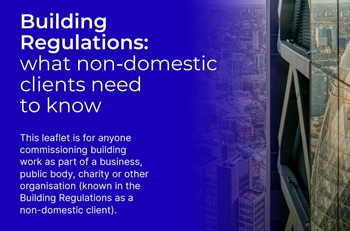
CIOB publishes free advice for non-domestic clients.
Building Safety Newsletter from MHCLG.
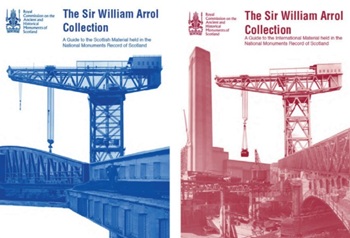
An extraordinary record of steel engineering worldwide.

Households living near new pylons to save on bills.

ECA warns growth must not outpace grid capacity or skills.
The role of the client and decision making

CIOB response to built environment professions call for evidence.
Construction's sustainability reporting revolution
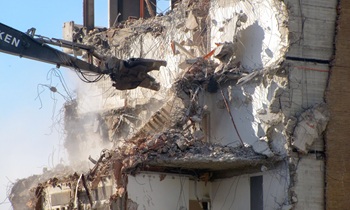
Tracking upfront embodied carbon with digital tools.
ECA welcomes procurement reforms
Public spending must back British jobs and skills.
Campaigning for Edinburgh: the Cockburn Association 1875-2049
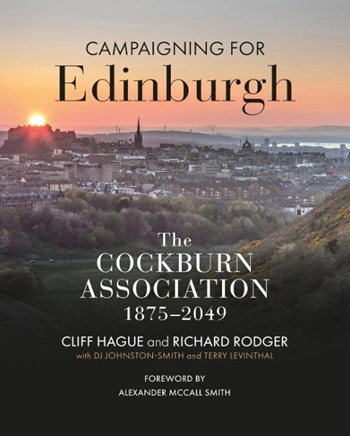
The role of the civic voice in protecting character. Book review.

CIOB photography competition is open for entries.
ECA Edmundson apprentice of the year award
Finalists announced.
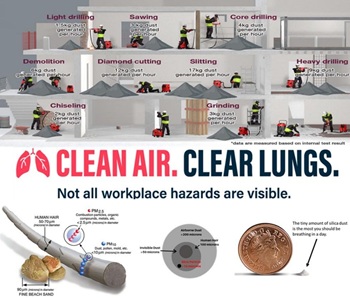
Major new study exposes serious knowledge gaps.